
№ MIAMFL
CM
Attorney
Carlos Mendez
Mendez Injury Advocates
Personal InjuryProduct Liability
- City
- Miami
Personal Injury · Sub-Practice
Property owners have a legal duty to maintain safe premises. When they don't, they are responsible.
§ Overview
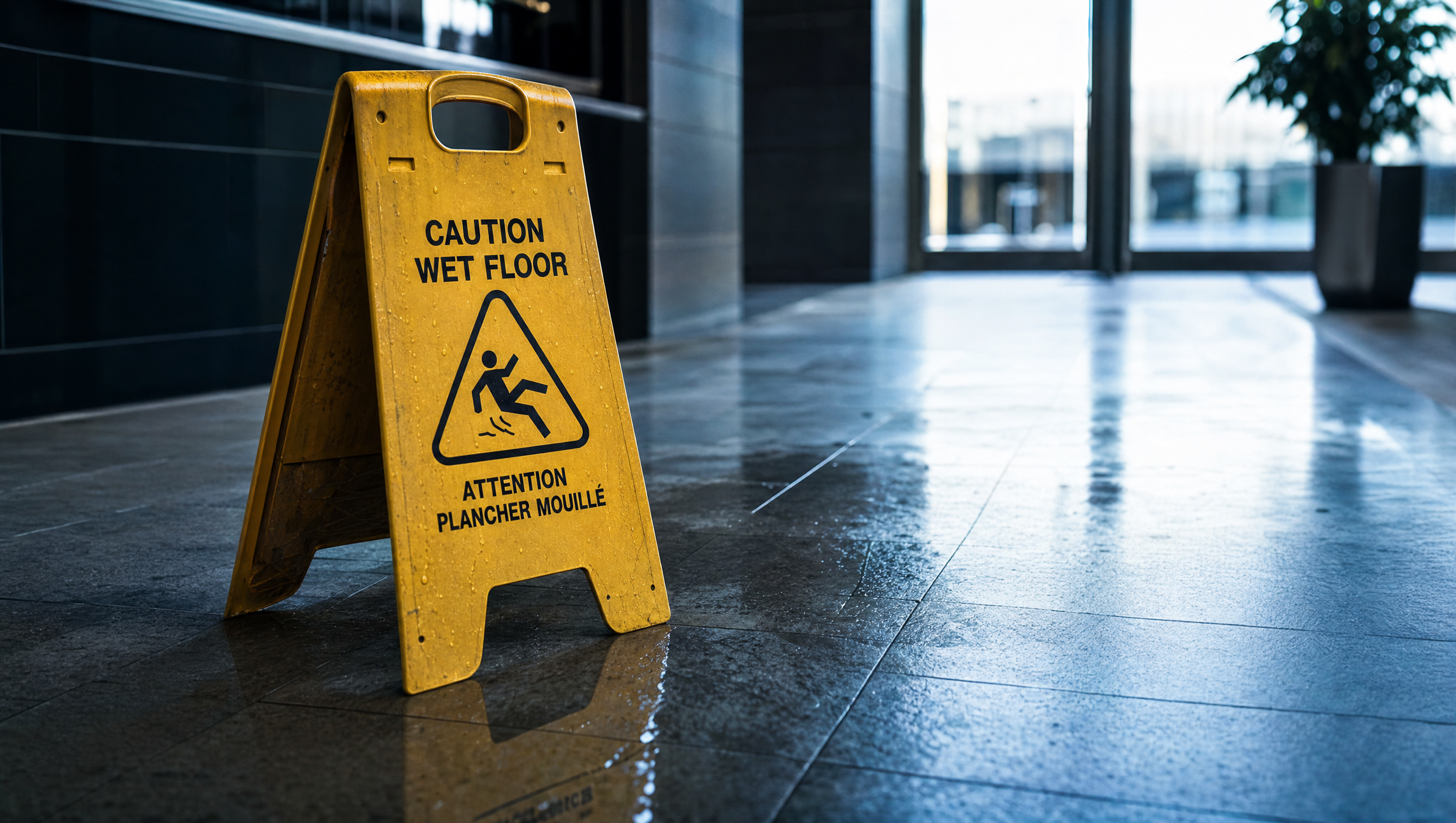
Slip and fall cases — legally known as premises liability claims — arise when someone is injured due to a dangerous condition on another person's property. These cases require moving quickly before evidence disappears.
Under premises liability law, property owners and occupiers owe a duty of care to maintain their property in a reasonably safe condition for lawful visitors. When they fail — by allowing a wet floor without warning, ignoring a broken staircase, or failing to clear icy walkways — and someone is injured as a result, they can be held liable. The legal challenge is proving the owner knew or should have known about the hazard and failed to address it. This is why evidence preservation in the hours and days after a fall is critical: the hazard may be corrected immediately after you are injured, leaving no trace of its existence.
§ What you can recover — types of damages
§ How attorneys build your case
“The most common reason slip and fall cases are lost or undervalued is not the law — it is the evidence. The hazard that caused your fall may be corrected within hours. Surveillance footage is typically overwritten within 24–72 hours. Witnesses are easy to identify immediately after an accident and impossible to find weeks later. An attorney who moves quickly in the first 48 hours of your case can make the difference between a strong claim and an unprovable one. If you have been injured, call before you even leave the hospital.”
§ What to look for in an attorney
§ Ask these at your consultation
6 questions that matter
§ Frequently asked questions
Q 01
Warning signs reduce — but do not eliminate — liability. The owner still has a duty to fix the hazard in a reasonable time. If the sign was inadequate, improperly placed, or the hazard was present for an unreasonable period, the owner can still be liable. The existence of a sign is one factor in the analysis, not a complete defense.
Q 02
Claims against government entities follow different rules — shorter notice requirements, caps on damages, and immunity defenses that don't apply to private owners. Most states require you to file a notice of claim within 30–180 days of the injury, often before you even file a lawsuit. Missing this deadline can permanently bar your claim. Contact an attorney immediately.
Q 03
There are two types of notice: actual (the owner was directly informed) and constructive (the hazard existed long enough that a reasonable owner should have discovered it). Evidence includes maintenance logs, prior complaints, surveillance footage showing the hazard existed before your fall, and employee testimony. Your attorney will investigate each avenue.
Q 04
Yes, and this is extremely common with fall injuries. Spinal injuries, concussions, and soft tissue damage often worsen or reveal themselves days or weeks after the incident. Consistent medical treatment is essential — gaps in care are used by insurers to argue your injuries are not serious. Document all symptoms and seek care even for minor complaints.
§ Featured attorneys
Mendez Injury Advocates
Caldwell Injury Law
Novak Workers' Rights
Reeves Trial Attorneys
Martinez Employment Law
Kowalski Injury Lawyers
§ Related practice areas
We use cookies to improve your experience and analyze site traffic. By continuing to use this site, you agree to our Privacy Policy.